
Function of ESC: Electronic Stability Control (ESC) is one of the most important safety features in modern vehicles. It is designed to help drivers maintain control of their cars during difficult driving conditions, such as sudden turns, slippery roads, or emergency maneuvers. Many automakers, including Changan, now include this system in their latest models like the Changan Deepal S07, Changan Deepal L07, and Changan Oshan X7 Comfort.
In this blog, we will explain how electronic stability control works, its functions, common problems, and frequently asked questions.
What is Electronic Stability Control?
Electronic Stability Control (ESC) is a computerized safety system that improves a vehicle’s stability by detecting and reducing skidding. It uses sensors to monitor wheel speed, steering angle, and braking force. When the system detects that the driver is losing control, it automatically applies braking to individual wheels and adjusts engine power to bring the vehicle back on track.
ESC is sometimes referred to as the Electronic Stability Program (ESP) or Vehicle Stability Management (VSM), depending on the manufacturer.
Function of ESC
The primary function of ESC is to help the driver stay in control of the car. Here is a breakdown of its major functions:

-
Skid Prevention
ESC monitors steering and wheel movement. If it detects understeering or oversteering, it automatically applies brakes to specific wheels to prevent the vehicle from sliding off the road. -
Maintaining Vehicle Direction
When making sharp turns or driving on wet surfaces, ESC helps keep the vehicle moving in the intended direction, reducing the chance of rollovers. -
Enhanced Braking Support
ESC works in conjunction with the anti-lock braking system (ABS) to provide maximum grip and stability during emergency stops. -
Better Traction
While Electronic Stability Control vs Traction Control are different, they often work together. Traction control manages wheel spin, while ESC manages vehicle stability. -
Safety During High-Speed Driving
On highways, ESC reduces the chances of losing control during sudden lane changes or evasive maneuvers.
Electronic Stability Control Warning Light
One of the most common issues drivers face is the electronic stability control warning light appearing on the dashboard. This may indicate:

-
A sensor malfunction
-
Issues with the ABS or traction control system
-
Faulty wiring or damaged control units
If the light remains on, it is crucial to diagnose the problem promptly to prevent safety risks.
How to Fix Electronic Stability Control
Fixing ESC issues often requires professional help. However, here are some common steps:
-
Restart the Vehicle – Sometimes, the warning light may reset after restarting.
-
Check Tire Pressure – Uneven tire pressure can affect ESC function.
-
Inspect Wheel Sensors – Dirty or damaged sensors may cause false alerts.
-
Visit a Mechanic – For complex issues, consult a professional technician.
The electronic stability control repair cost varies depending on the car model, but it generally ranges between moderate to high, especially if control modules or sensors need replacement.
Common Electronic Stability Control Problems
Like any system, ESC may experience issues such as:

-
Faulty wheel speed sensors
-
ABS module malfunction
-
Wiring and connector problems
-
Software glitches in the control unit
Regular maintenance and timely inspections can prevent most of these problems.
ESC in Changan Cars
Changan offers advanced safety features, including ESC, across its models:
-
Changan Deepal S07 – Modern SUV with advanced safety technology.
-
Changan Deepal L07 – Equipped with intelligent driving support systems.
-
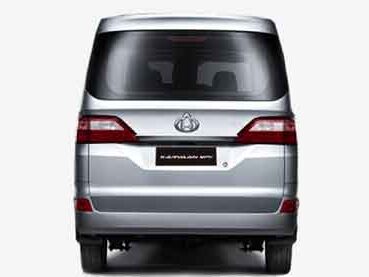
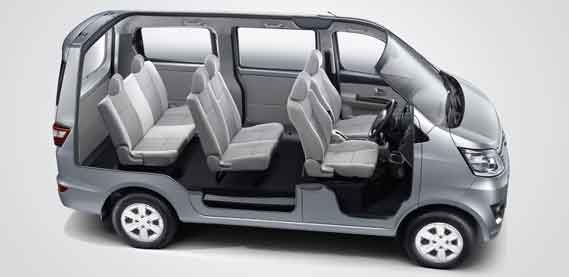
Karvaan MPV Plus 1.2 MPFI – Practical family vehicle with stability features.
-
Changan Oshan X7 Comfort – Premium SUV with electronic stability program.
-
Changan Alsvin Lumiere – Sedan designed with smart safety features.
For complete details, visit the Changan Price List.
FAQs about the Function of ESC
Q1: What is the main purpose of electronic stability control?
A: The main purpose is to prevent skidding and help the driver maintain control of the vehicle during challenging driving conditions.
Q2: Is electronic stability control the same as traction control?
A: No. Traction control prevents wheel spin, while ESC maintains overall vehicle stability during turns or slippery conditions.
Q3: What should I do if the electronic stability control warning light comes on?
A: First, restart your car and check tire pressure. If the light remains, have your vehicle inspected by a professional.
Q4: Can I drive with the electronic stability control light on?
A: Yes, but it is not recommended. The car will run, but safety features may be limited, especially in emergencies.
Q5: How much does it cost to repair electronic stability control?
A: The cost varies, but typical repairs may range from minor sensor fixes to costly module replacements.
Q6: Do all cars come with ESC?
A: Most modern cars, including Changan models, come with ESC as a standard or optional feature.
Q7: Can electronic stability control be turned off?
A: Some vehicles allow it, mainly for off-road driving, but for normal road use, it should always be kept on.
Q8: What are common electronic stability control problems?
A: Common issues include faulty sensors, wiring problems, ABS failures, and control unit malfunctions.