
Introduction of Electronic Stability Control
Automotive safety has advanced rapidly over the past two decades, and one of the most important technologies is Electronic Stability Control (ESC). This system is designed to prevent accidents caused by skidding, oversteering, or understeering. It works silently in the background, stepping in only when the driver begins to lose control.
Whether you are driving a Changan Deepal S07, a Changan Oshan X7 Comfort, or a Changan Alsvin Lumiere, ESC ensures that every trip is safer and more controlled.
What is the Function of the Electronic Stability Control (ESC) in a Vehicle?
The function of the electronic stability control system is to help the driver maintain control in difficult driving conditions. It detects when a vehicle begins to skid or veer away from the intended path and automatically applies braking to individual wheels. At the same time, it may reduce engine power to bring the vehicle back in line.
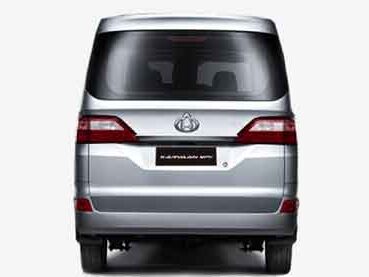
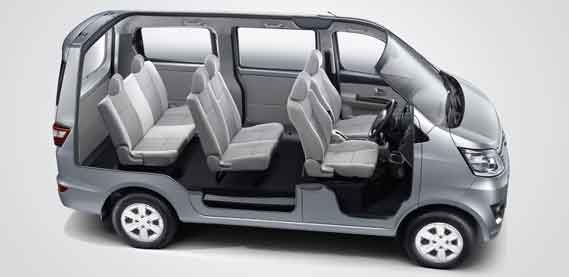
This makes ESC especially useful when driving on wet, icy, or uneven roads in vehicles like the Karvaan MPV Plus or Changan Deepal L07.
How Does an Electronic Stability Control System Work?
An electronic stability control system works through a combination of sensors and smart control units. These include:

-
Steering angle sensor – detects where the driver wants to steer.
-
Wheel speed sensors – monitor the speed of each wheel.
-
Yaw rate sensor – measures the side-to-side twist of the vehicle.
-
Lateral acceleration sensor – detects sideways movement.
If the system detects instability, it activates brakes on specific wheels and adjusts the engine output, guiding the car back to its intended path.
Electronic Stability Control vs Traction Control
Many people confuse ESC with traction control, but they are different systems that often work together:

-
Traction Control System (TCS): Prevents wheel spin when accelerating on slippery surfaces.
-
Electronic Stability Control (ESC): Maintains overall vehicle stability during cornering or sudden maneuvers.
For example, in models like the Changan Oshan X7 Comfort, both systems work hand in hand to provide maximum safety.
Electronic Stability Control Warning Light
The electronic stability control warning light appears on the dashboard whenever the system is active or if there is a fault.

-
If the light flashes while driving, ESC is actively stabilizing the car.
-
If the light stays on constantly, there may be a system issue.
-
If it turns off after ignition, ESC is functioning normally.
If the light remains on, it is recommended to have the vehicle checked at an authorized service center.
How to Check ESC in a Car
If you are unsure whether your car has ESC, here are some ways to confirm:

-
Look for the ESC or ESP button on the dashboard.
-
Check the owner’s manual for details.
-
Start the engine and see if the ESC light appears briefly on the instrument cluster.
-
Verify with the dealer or check the Changan Price List for vehicle specifications.
Vehicle Stability Management and ESC
Many modern vehicles come equipped with Vehicle Stability Management (VSM), which works with ESC to provide even greater stability. VSM integrates braking, steering, and traction control, ensuring the driver maintains full control in emergencies.
Why ESC is Important in Changan Vehicles
Changan has integrated ESC into many of its popular models. Cars such as the Changan Deepal S07, Changan Alsvin Lumiere, and Changan Deepal L07 showcase the brand’s commitment to safety and innovation.
By combining ESC with strong design and performance, Changan ensures that drivers and passengers experience both confidence and comfort on the road.
FAQs
Q1: What is electronic stability control in a vehicle?
It is a computerized safety feature that helps prevent skidding and loss of control by automatically applying brakes to individual wheels.
Q2: In an electronic stability control system, what sensor measures the side-to-side twist of the vehicle?
The yaw rate sensor measures the vehicle’s side-to-side twist.
Q3: What is the difference between electronic stability control vs traction control?
ESC helps maintain directional control, while traction control prevents wheel spin during acceleration.
Q4: How do I know if my car has ESC?
Check the dashboard for an ESC/ESP button, the instrument cluster warning light, or consult the car’s manual.
Q5: What does the electronic stability control warning light mean?
It shows when ESC is active, turned off, or has a malfunction that needs inspection.
Q6: Is ESC the same as an electronic stability program (ESP)?
Yes, ESC and ESP are often used interchangeably by different manufacturers.
Q7: Can I drive with ESC turned off?
Yes, but it reduces safety, especially on wet, icy, or slippery roads.
Q8: Does ESC prevent rollovers?
ESC significantly lowers the risk of rollovers by keeping the vehicle stable during sharp turns.
Q9: How effective is vehicle stability management (VSM)?
VSM enhances ESC by adding steering and braking assistance, giving drivers greater confidence.
Q10: Is ESC available in all Changan vehicles?
Most modern Changan models, such as the Oshan X7 Comfort and Alsvin Lumiere, feature ESC for improved safety.