
An Electric Vehicle Is Safe In the Rain. When it comes to electric vehicles (EVs), one of the most common concerns people have is whether they are safe to drive in the rain. Questions like “What happens if you drive an electric car into water?” or “Is it safe to charge an EV in the rain?” often come to mind. The truth is, modern EVs are carefully engineered with advanced waterproofing and safety standards, ensuring that electric cars in heavy rain are just as safe—if not safer—than traditional fuel-based vehicles.
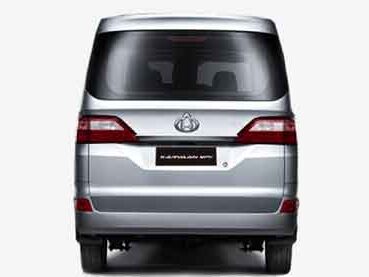
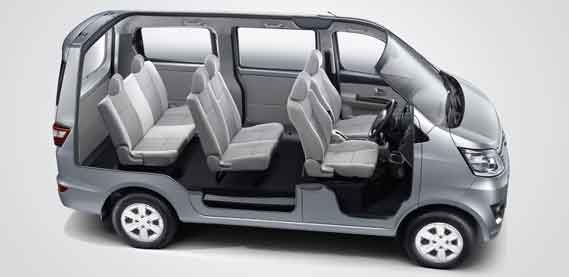
Whether you are exploring the stylish Changan Deepal S07, the efficient Changan Deepal L07, or the family-friendly Karvaan MPV Plus, EV safety remains a top priority across all models. Let’s explore the science and facts behind why an electric vehicle is safe in the rain and how you can confidently enjoy driving even in stormy weather.
Why Electric Vehicles Are Safe in Rain
Electric vehicles are designed with high standards of safety. Automakers like Changan ensure that their EVs pass rigorous water immersion tests before they hit the market. Here’s why you can trust them:
-
Waterproof Battery Systems – EV batteries are enclosed in sealed cases with insulation, preventing water from entering. Even if you encounter puddles, the battery remains safe.
-
High Voltage Protection – Advanced electrical systems are designed to shut down automatically in case of unusual water contact.
-
Global Safety Standards – EVs adhere to IP67/IP68 waterproof certifications, ensuring they can withstand rain, splashes, and even temporary submersion.
-
Safe Charging Technology – Wondering “Is it safe to charge an EV in the rain?” Yes, EV chargers and connectors are weatherproof. Even Mach E charging in the rain or similar cases is tested for user safety.
What Happens If You Drive an Electric Car Into Water?
If you accidentally drive your EV through water, the car’s systems are built to handle it. The electronics are fully insulated, and the vehicle is programmed to cut off power if unsafe water levels are detected. This is why electric vehicles are safe in rain and shallow flooding, unlike gasoline cars that can experience engine stalling.
Charging Electric Cars in Thunderstorms

Many EV owners ask: “Should I unplug my EV during a thunderstorm?” While charging an electric car in a thunderstorm is safe thanks to grounding technology, experts recommend unplugging during severe lightning storms as an extra precaution. This applies to home chargers and public charging stations.
As for the question “Can my electric car charger get wet?”, the answer is yes, to an extent. Most chargers are weather-sealed, but keeping them away from standing water ensures longer durability.
Benefits of Electric Cars in Heavy Rain
-
No exhaust system – unlike fuel cars, EVs don’t have tailpipes that can get clogged by water.
-
Better torque control – EVs provide instant torque, which helps maintain grip on wet and slippery roads.
-
Eco-friendly drive – While people ask “Do electric cars reduce acid rain?”, the fact is EVs emit zero tailpipe emissions, meaning they significantly reduce the pollutants that cause acid rain.
Models like the Changan Oshan X7 Comfort and Changan Alsvin Lumiere combine eco-friendliness with advanced safety features, making them reliable choices for rainy climates.
Price and Availability
Changan offers a wide range of EVs and fuel-efficient models at competitive prices. To explore the full range and compare options, check out the official price list. Whether you need a family MPV, a stylish sedan, or a modern electric SUV, Changan has you covered.
Frequently Asked Questions (FAQs)
Q1: Does rain affect EV range?
A: Rain itself does not reduce range. However, wet roads may increase rolling resistance, leading to slightly lower efficiency.
Q2: Can electric cars get wet?
A: Yes, EVs are designed to handle wet weather. Their batteries and motors are fully sealed against water.
Q3: Can EVs be charged in the rain?
A: Yes. EV chargers are designed to be waterproof and safe for use in the rain.
Q4: Do electric cars reduce acid rain?
A: Yes. Since EVs produce no tailpipe emissions, they reduce pollutants like sulfur dioxide that contribute to acid rain.
Q5: Do electric cars use battery acid?
A: No. EVs use lithium-ion batteries, which contain electrolytes but not the same “battery acid” found in lead-acid batteries.
Q6: How to protect cars from acid rain?
A: Wash your car regularly, use a protective wax coating, and park in shaded or covered areas when possible.
Q7: What happens if you drive an EV into deep water?
A: EVs are tested for water resistance but should not be driven into deep floods, as prolonged submersion can damage electronics.
Q8: Is it dangerous to touch an EV in the rain?
A: No. EVs are insulated and safe to touch in all weather conditions.
Q9: Does lightning affect EVs more than fuel cars?
A: No. Both types of cars can be struck, but EVs have grounding systems to protect passengers.
Q10: Do electric cars perform well in monsoon climates?
A: Yes. Modern EVs are engineered to function efficiently even during heavy rainfall and humid conditions.