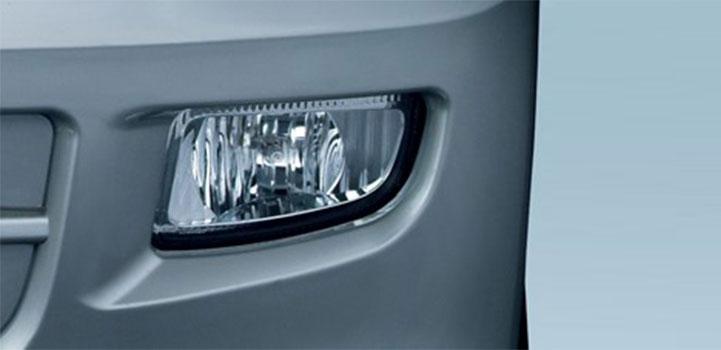

Driving in heavy rain is one of the biggest challenges for motorists. Reduced visibility, slippery roads, and the risk of hydroplaning make it important to know how to drive safely in heavy rain. Whether you are traveling in the city or on highways, following proper safety measures can prevent accidents and protect your car.
In this blog, we will share the best ways to avoid accidents in heavy rain, tips for driving in rain and wet roads, and why tyre grip and car maintenance are critical during the rainy season.
Why Safe Driving in Heavy Rain is Important
Heavy rain affects both the driver and the car. Roads become slippery, braking distance increases, and vision gets blurred. Even experienced drivers can struggle without proper precautions. That is why following heavy rain safe driving techniques ensures not only your safety but also the safety of others on the road.
Tips for Driving in Rain and Wet Roads
Here are some practical steps every driver should follow during rainy weather:
1. Maintain a Safe Speed
The safe speed for driving in heavy rain is always slower than usual. Reducing speed by at least 20–30% gives you more control and time to react.
2. Keep a Longer Distance
Double the distance between your car and the vehicle in front. Wet roads make it harder to stop quickly.
3. Use Headlights Correctly
Knowing how to use headlights in heavy rain is crucial. Always use low beams instead of high beams. High beams reflect on raindrops and reduce visibility.
4. Avoid Sudden Braking
Slamming the brakes can cause skidding. Instead, apply the brakes gently to maintain control.

5. Watch for Hydroplaning
One of the most common questions is how to avoid hydroplaning while driving. If your car starts to hydroplane, take your foot off the accelerator and steer gently in the right direction. Avoid pressing the brakes suddenly.
6. Check Tyre Grip
The importance of tyre grip in rain cannot be ignored. Worn-out tyres increase the chance of skidding. Always check tyre tread depth before the rainy season.
7. Avoid Deep Water
Driving through deep puddles can damage your engine and electrical system. If the water looks too deep, it is safer not to drive through it.
Car Maintenance for the Rainy Season
Along with careful driving, proper car maintenance during the rainy season is essential. Here’s what you should check:
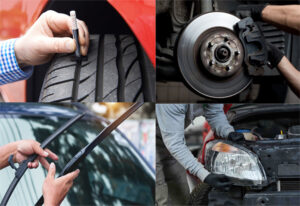
- Tyres – Make sure they have proper tread depth.
-
Brakes – Wet brakes take longer to respond. Keep them in top condition.
-
Wipers – Replace worn wipers to maintain a clear windshield.
-
Lights – Ensure headlights, brake lights, and indicators are working.
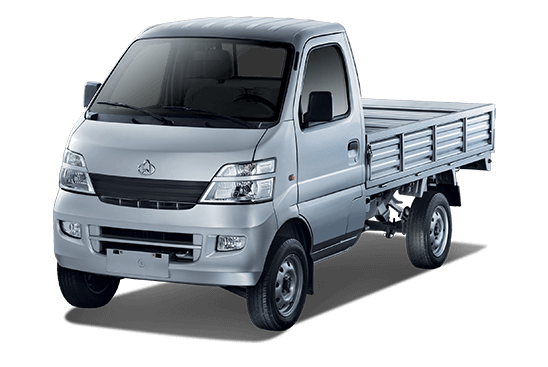
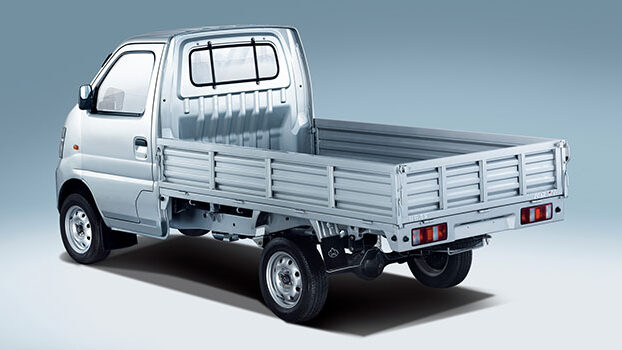
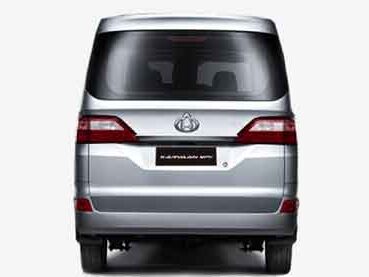
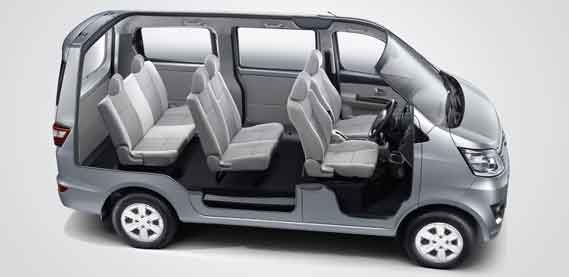
If you are planning to buy a new car, vehicles such as the Changan Deepal S07, Changan Deepal L07, or the Karvaan MPV Plus 1.2MPFI are excellent choices for families. Models like the Changan Oshan X7 Comfort and Changan Alsvin Lumiere provide comfort and safety features that make driving in rainy weather easier. For commercial use, the Changan M9 is also a reliable option.
For more details on prices and features, check the official Changan Price List.
FAQs – Heavy Rain Driving Safety
Q1: How do you drive safely in heavy rain?
Slow down, keep your headlights on, and maintain a safe distance from the car in front.
Q2: What is the safe speed for driving in heavy rain?
Always drive 20–30% below the speed limit to stay in control.
Q3: What should I do if my car skids on a wet road?
Stay calm, avoid hard braking, and steer gently in the direction you want to go.
Q4: How can I avoid hydroplaning while driving?
Keep your tyres in good condition, reduce speed, and avoid sudden turns or braking.
Q5: Should I use high beams in heavy rain?
No, always use low beams. High beams reflect off rain and reduce visibility.
Q6: Why is tyre grip important in rain?
Good tyre grip prevents skidding and shortens braking distance on wet roads.
Q7: Is it safe to use cruise control in heavy rain?
No, avoid cruise control because it reduces your ability to react quickly.
Q8: Can I drive through deep water in heavy rain?
It is not recommended. Water can damage your brakes, engine, and electrical parts.
Q9: How do I prepare my car for the rainy season?
Check tyres, brakes, wipers, and lights. Keep emergency items like a flashlight and a warning triangle in your car.
Q10: What are the main dangers of driving in heavy rain?
Reduced visibility, longer braking distance, slippery roads, and hydroplaning.
Q11: Should I drive with hazard lights in the rain?
Only if your car breaks down. Hazard lights should not be used while moving.
Q12: How do I keep my windshield clear in the rain?
Make sure wipers work properly, use the defogger, and keep your glass clean.